Boston, Massachusetts, Guardianship Attorneys
At Glickman Turley LLP, we help individuals and families plan for their loved ones' futures by creating the documents necessary to avoid court intervention and legal guardianships and conservatorships. Planning now can save time, money and worry in the future. Planning now can also ensure that your loved one ― such as an elderly parent or a special needs child ― is provided with the care he or she needs. If the documents are not in place, then we can help you petition the court to become a legal guardian or conservator.
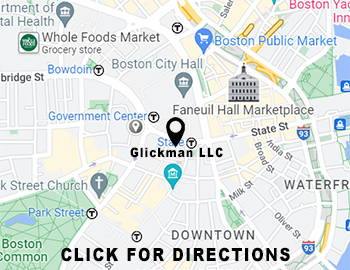
To set up a consultation in our Boston, Massachusetts office, call us at 617.399.7770 or contact us online.
Guardianships and Conservatorships
When your family member or loved one is incapable of managing his or her affairs, you should consider petitioning the court for a guardianship and/or conservatorship. A legal guardian is able to make decisions about the person's day-to-day care (medical care, etc.) while a conservator manages the person's financial affairs.
Why Appoint a Guardian?
Through a guardianship, one individual is granted the legal right and obligation to make important decisions on behalf of another, including legal and medical decisions. Guardians help preserve the incapacitated individual's health, stability and quality of life. If someone is already appointed to make these decisions through a power of attorney and health care proxy, then the petition may be unnecessary. We help you determine when legal intervention is necessary
Typically, guardianships involve adults and children incapable of managing some or all of their own affairs due to a mental or physical handicap. This includes:
- Elderly adults /Adults in nursing homes
- Adults suffering from Alzheimer's or dementia
- Special needs adults and children
- Adults and children with disabilities
- Adults who are mentally retarded
Once appointed, our Massachusetts lawyers will work with guardians to guide them in decision making, and to help them complete the required annual reports to the court. Often, the goal is to make sure that the incapacitated person's life is as stable as possible, including helping the individual stay in his or her home.
This area of the law is quite complicated with the recent adoption of the Uniform Probate Code in Massachusetts. There are new regulations, forms and court procedures for Guardians and Conservators that are specific and inflexible. Our attorneys will help you navigate these complexities.
We assist clients with the following guardianship and conservatorship matters:
- Guardianship petitions and nominations
- Competency hearings
- Obtaining medical certificates and Clinical Team Reports
- Annual reviews of Guardians
- Annual accounts of Conservators
- Approvals for guardian or conservator payment for services
- Extraordinary treatment and substituted judgment for end-of-life care
Our attorneys are also regularly appointed by probate courts to oversee or investigate guardians and to help the courts in decision-making. If you feel the guardian of your loved one is not acting in your loved one's best interests, we can help.
Special Needs Trusts
Through a special needs trust, it is possible to protect the inheritance of a beneficiary who is disabled. Individuals with disabilities may face difficulties in regard to receiving Medicaid if they inherit property, money or other assets. A special needs trust is a document in which property can be protected. Instead of giving property to a disabled individual, it is put into a special needs trust.
Contact Us
To meet with a Massachusetts guardianship lawyer, please call our Boston law office at 617.399.7770 or contact us online.